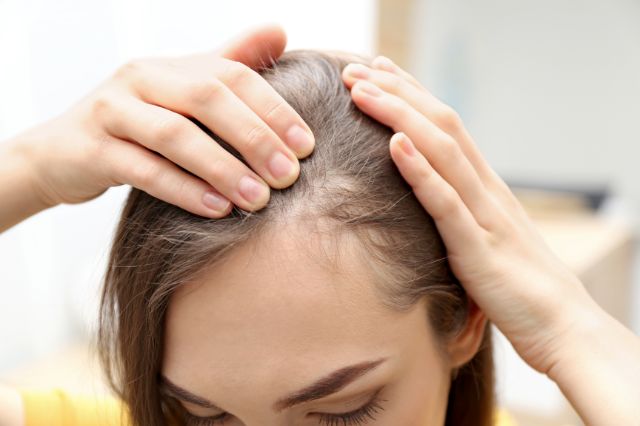
Hair loss is one of the most common concerns people face as they get older. Whether you’re noticing a thinning crown, a receding hairline, or a gradual loss of density, it’s natural to wonder: Can you regrow lost hair after 50?
The good news is that, in many cases, the answer is yes. While not all hair loss can be reversed, it is often possible to slow down the process, improve hair density, and even stimulate new growth depending on the condition of the hair follicles.
The key is understanding why hair loss occurs, what treatments actually work, and which lifestyle changes can support long-term hair health.
In this guide, we’ll explore the science behind hair loss after 50 and discuss natural strategies, medical treatments, and emerging approaches that may help restore healthier, thicker hair.
Why Does Hair Loss Increase After 50?
Hair growth is influenced by hormones, genetics, nutrition, stress levels, and overall health. As we age, many of these factors change.
Common causes of hair loss after 50 include:
- Genetic predisposition
- Hormonal changes
- Reduced blood circulation
- Chronic inflammation
- Nutritional deficiencies
- Increased stress levels
- Insulin resistance
- Certain medications
- Autoimmune conditions
For men, androgenetic alopecia (male pattern baldness) is the leading cause. For women, menopause-related hormonal changes often contribute significantly to hair thinning.
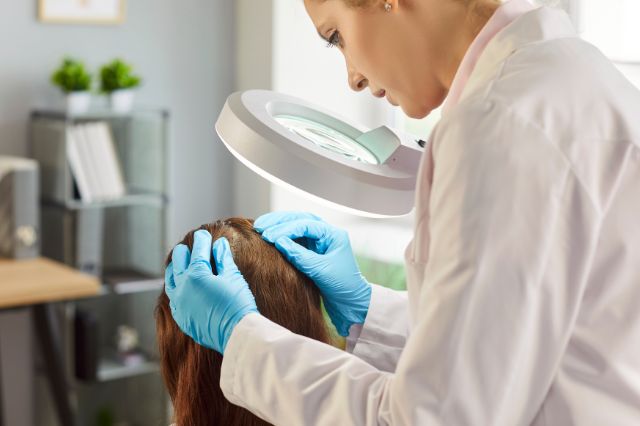
The Most Important Question: Are Your Hair Follicles Still Alive?
One of the biggest misconceptions about hair loss is that all lost hair can be regrown.
In reality, there are three different situations.
Active but Weakened Hair Follicles
This is the best-case scenario.
The follicles are still producing hair, but the strands become thinner, weaker, and slower growing. In these cases, lifestyle changes and treatments can often make a noticeable difference.
Miniaturized Hair Follicles
Miniaturization is common in androgenetic alopecia.
The follicles continue producing hair, but each new strand becomes progressively thinner. Early intervention can often help preserve and strengthen existing hair.
Inactive or Dead Hair Follicles
If a follicle has stopped functioning for years, natural regrowth becomes unlikely.
In these situations, hair transplant surgery may be the most effective option.
My Personal Experience with Hair Loss After 47
I began noticing a clear reduction in hair density around the age of 47.
Like many people, I initially assumed it was simply part of aging. However, instead of accepting it, I decided to focus on improving my overall health.
One of the first changes I made was reducing processed carbohydrates and sugar. I shifted toward a diet based on protein-rich foods, healthy fats, vegetables, and minimally processed ingredients.
At the same time, I started strength training consistently.
Over the following months, I noticed something interesting: the hair loss appeared to stabilize. While I didn’t suddenly regain all the hair I had lost, the rate of thinning slowed significantly.
More recently, I have been experimenting with an inversion table as a way to improve blood flow to the scalp. The progress has been gradual, but promising enough that I continue to include it as part of my overall routine.
My experience reinforced a lesson that many health experts now emphasize: healthy hair often reflects overall metabolic health.
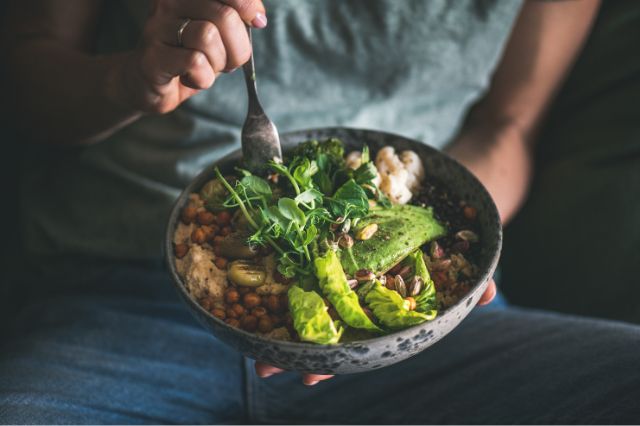
Can Nutrition Help Regrow Hair After 50?
Nutrition is one of the most overlooked factors in hair health.
Hair follicles are among the most metabolically active structures in the body. They require a constant supply of nutrients to function properly.
Protein: The Building Block of Hair
Hair is primarily made of keratin, a structural protein.
If protein intake is too low, the body prioritizes essential organs over hair production.
Excellent protein sources include:
- Eggs
- Fish
- Lean meat
- Greek yogurt
- Cottage cheese
- Legumes
Iron
Iron deficiency is strongly associated with hair shedding and thinning.
Good sources include:
- Red meat
- Liver
- Shellfish
- Lentils
- Spinach
Zinc
Zinc plays an important role in cell growth and tissue repair.
Foods rich in zinc include:
- Oysters
- Beef
- Pumpkin seeds
- Eggs
- Chickpeas
Vitamin D
Several studies have linked low vitamin D levels to various forms of hair loss.
Regular sun exposure and supplementation when necessary may help maintain healthy levels.
Omega-3 Fatty Acids
Omega-3s help regulate inflammation and support scalp health.
Top sources include:
- Salmon
- Sardines
- Mackerel
- Walnuts
- Chia seeds
Does Cutting Carbs Help Hair Growth?
There is no evidence that eliminating carbohydrates directly causes hair regrowth.
However, reducing refined carbohydrates and sugar may improve several factors linked to hair health:
- Insulin sensitivity
- Inflammation levels
- Hormonal balance
- Metabolic health
Many people report improvements in hair quality after replacing processed foods with nutrient-dense whole foods.
The goal is not necessarily a low-carb diet, but a diet that supports stable blood sugar and overall health.
The Connection Between Insulin Resistance and Hair Loss
This is an area receiving increasing attention from researchers.
Insulin resistance contributes to chronic inflammation and hormonal imbalances, both of which can negatively affect hair follicles.
People who improve their metabolic health through exercise, nutrition, and weight management often notice benefits that extend beyond body composition—including healthier skin and hair.
Why Strength Training May Support Hair Health
Most people don’t associate lifting weights with better hair.
However, strength training offers several indirect benefits that may help preserve hair density.
Better Hormonal Balance
Regular resistance training helps maintain healthier hormone profiles as we age.
Improved Insulin Sensitivity
This reduces one of the key drivers of chronic inflammation.
Lower Stress Levels
Exercise is one of the most effective tools for reducing stress and regulating cortisol levels.
Better Blood Flow
Physical activity supports healthy circulation throughout the body, including the scalp.
Preservation of Muscle Mass
Maintaining muscle mass after 50 is crucial for metabolic health and healthy aging.
Does Inversion Therapy Help Hair Growth?
Inversion therapy has gained popularity among people looking for natural ways to improve hair health.
The theory is simple.
By temporarily positioning the body upside down, blood flow to the scalp may increase.
Potential benefits include:
- Increased oxygen delivery
- Improved nutrient supply
- Better scalp circulation
It’s important to note that scientific evidence remains limited.

While some individuals report positive results, inversion therapy should be viewed as a complementary strategy rather than a proven treatment.
In my personal experience, the results have been slow but encouraging.
Other Natural Ways to Support Hair Regrowth
Prioritize Sleep
Hair follicles undergo repair and regeneration during sleep.
Consistently getting seven to eight hours of quality sleep supports overall recovery.
Manage Stress
Chronic stress can trigger excessive shedding and disrupt the hair growth cycle.
Helpful strategies include:
- Meditation
- Breathing exercises
- Walking outdoors
- Yoga
- Mindfulness practices
Stop Smoking
Smoking reduces blood flow and increases oxidative stress, both of which can accelerate hair aging.
Medical Treatments That May Help
For some individuals, lifestyle changes alone may not be enough.
Several evidence-based treatments are available.
Minoxidil
Minoxidil is one of the most widely studied treatments for hair loss.
It works by increasing blood flow and extending the growth phase of hair follicles.
Finasteride
Primarily prescribed for men, finasteride reduces the conversion of testosterone into DHT, the hormone most associated with male pattern baldness.
Dutasteride
A stronger alternative that may be recommended in certain cases.
PRP Therapy
Platelet-rich plasma therapy uses growth factors from the patient’s own blood to stimulate hair follicles.
Is a Hair Transplant Worth It After 50?
For individuals with extensive hair loss and inactive follicles, a hair transplant often provides the most dramatic and lasting results.
Modern FUE (Follicular Unit Extraction) techniques can create natural-looking outcomes with minimal scarring.
Many people in their 50s, 60s, and even 70s achieve excellent results when they have:
- Stable hair loss
- Adequate donor hair
- Good overall health
Can Men Regrow Hair After 50?
Men can often improve hair density if treatment begins before follicles become completely inactive.
The earlier intervention starts, the better the chances of preserving existing hair.
Combining lifestyle improvements with evidence-based treatments typically produces the best outcomes.
Can Women Regrow Hair After Menopause?
Women experiencing menopause-related hair thinning may see improvements by addressing hormonal changes, nutritional deficiencies, stress, and scalp health.
A personalized approach is often necessary because the causes vary significantly from person to person.
So, Can You Regrow Lost Hair After 50?
The honest answer is: sometimes.
If your follicles are still active or only partially miniaturized, there is often significant potential for improvement.
The most effective strategy usually combines:
- High-quality nutrition
- Strength training
- Stress management
- Adequate sleep
- Medical treatments when appropriate
- Hair transplantation for advanced cases
The sooner you address hair loss, the better your chances of preserving and improving what you still have.
Frequently Asked Questions
Is it normal to lose hair after 50?
Yes. Hair thinning becomes increasingly common with age due to hormonal changes, genetics, and lifestyle factors.
Can hair grow back naturally after 50?
In some cases, yes. If follicles remain active, improvements in nutrition, exercise, and overall health may support hair regrowth.
What vitamins are best for hair growth?
Vitamin D, biotin, zinc, iron, and B vitamins are among the nutrients most commonly associated with healthy hair growth.
Does strength training help prevent hair loss?
Indirectly, yes. Strength training supports metabolic health, hormonal balance, and stress reduction, all of which may benefit hair follicles.
Does an inversion table regrow hair?
Scientific evidence is currently limited. However, some people report improvements in scalp circulation and hair quality when used consistently over time.
Is it too late to get a hair transplant after 60?
No. Many people undergo successful hair transplant procedures in their 60s and beyond, provided they have suitable donor hair and good overall health.
How long does it take to see hair regrowth?
Most treatments require patience. Visible improvements often take between three and six months, while significant changes may require nine to twelve months.
Final Thoughts
Hair loss after 50 does not necessarily mean the end of healthy hair.
While aging inevitably affects hair density and growth, many people can slow the process, improve hair quality, and in some cases regain lost density.
The most successful approach is not searching for a miracle cure but building a foundation of good nutrition, regular exercise, stress management, and evidence-based treatments when needed.
In my own experience, improving metabolic health through dietary changes and strength training played a major role in stabilizing hair loss. While newer strategies such as inversion therapy remain experimental, they may offer additional benefits when combined with a healthy lifestyle.
The key is to start early, stay consistent, and focus on long-term hair health rather than quick fixes.