
Spirulina has become one of the most commonly used supplements among athletes of all levels. Its popularity comes from its nutritional density, versatility and the steady energy that many users report. I personally take it daily and notice a clear boost in vitality, especially during my gym sessions, where keeping a consistent rhythm makes a difference. In this guide, I explain how athletes use spirulina, the benefits it offers, and how to integrate it into your routine without complications.
What Spirulina Is and Why It’s So Popular Among Athletes
Spirulina is a microscopic algae rich in proteins, minerals, B vitamins, antioxidants and bioactive compounds such as phycocyanin. This combination makes it especially appealing for athletes looking to improve performance, endurance and muscle recovery.
Key Nutritional Benefits for Performance
Its high nutrient density provides iron, B vitamins, amino acids and antioxidants that play roles in energy metabolism and efficient oxygen transport. These nutrients can be helpful for endurance sports and intense strength sessions.
How It Works in the Body During Exercise
During exercise, energy demand, oxygen use and oxidative stress increase. Spirulina supports all three: it boosts micronutrient intake, helps manage free radicals and supports recovery.
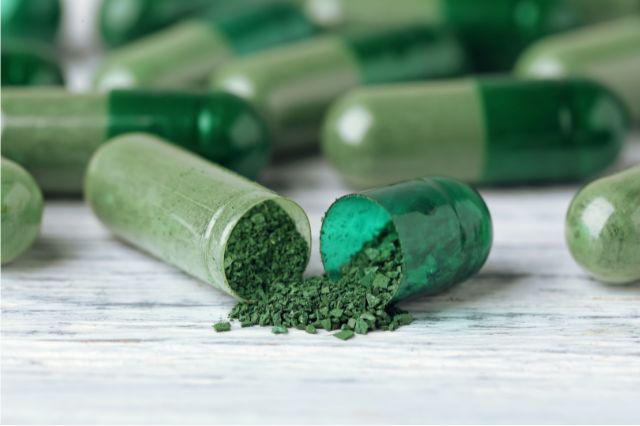
Benefits of Spirulina for Athletes and Active Individuals
Increased Energy and Reduced Fatigue
Many athletes include spirulina because it provides a stable sense of energy. Personally, when I feel more tired, I slightly adjust my dose and notice a steady boost during training, especially on heavy gym days.
Muscle Recovery and Oxidative Stress Control
Intense exercise generates free radicals. Spirulina’s antioxidants, especially phycocyanin, help reduce inflammation and muscle damage. As a result, recovery can feel faster and less uncomfortable.
Immune Support During Intense Training
Frequent intense training can affect the immune system. Thanks to its micronutrients, spirulina helps keep it strong, reducing interruptions in training schedules.
How Athletes Actually Use Spirulina
Recommended Dosage Based on Activity Level
Typical doses range from 3 to 5 grams per day. Some athletes taking part in high-intensity training use 6 to 10 grams divided throughout the day. I personally take around seven capsules a day (depending on concentration), and increase the amount slightly when I feel more fatigued. This flexibility makes spirulina easy to adapt.
Better Before or After Training?
- Pre-workout: for steady energy during exercise.
- Post-workout: for recovery and reduced inflammation.
Some athletes take it at both times, depending on their goals and tolerance.
Capsules vs. Powder: Pros and Cons
- Capsules: convenient and precise dosing.
- Powder: more economical and ideal for shakes and smoothies.
Quick Spirulina Recipes for Athletes
Spirulina works well in simple, quick recipes. These options take less than five minutes and are suitable before training, after training or as snacks.
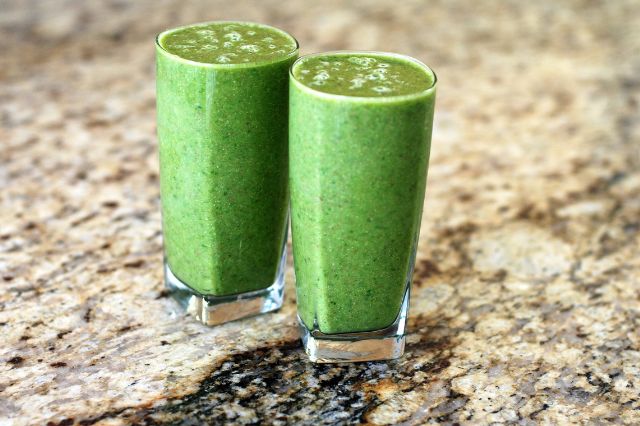
Green Energy Smoothie
Ideal as a pre-workout.
Ingredients:
- 1 teaspoon spirulina
- 1 banana
- 200 ml plant-based milk
- A handful of spinach
- Honey or dates (optional)
Preparation:
Blend everything until smooth.
Protein Yogurt with Spirulina
Great for recovery.
Ingredients:
- Natural yogurt
- 1 teaspoon spirulina
- Chia or flax seeds
- Fruit of choice
Preparation:
Stir spirulina into the yogurt and add seeds and fruit.
Morning Spirulina Shot
For those who want something fast.
Ingredients:
- Lemon or orange juice
- 1 teaspoon spirulina
- A splash of water
Preparation:
Mix and drink immediately.
Avocado Toast with Spirulina
Useful as a light pre-workout snack.
Ingredients:
- Toasted bread
- Half an avocado
- ½ teaspoon spirulina
- Salt and lemon
Preparation:
Mash the avocado with spirulina and spread it on the toast.
Muscle Recovery Smoothie
Ideal after strength workouts.
Ingredients:
- 1 teaspoon spirulina
- 1 tablespoon protein powder
- 200 ml plant-based milk
- Berries
- Peanut butter (optional)
Preparation:
Blend until creamy.
My Personal Experience Using Spirulina for Training
I’ve been using spirulina daily for a while and noticed that my gym sessions are more consistent when I take it. I usually consume around seven capsules a day, and if I feel tired, I increase the amount slightly. This simple habit helps me maintain good energy levels and avoid the end-of-session slump.
What Science Says About Spirulina and Physical Performance
Positive Results Observed in Recent Studies
Some studies show improvements in endurance, reduced muscle fatigue and better antioxidant response. Other research points to improved oxygenation and effort tolerance in specific groups of athletes.
Limitations and Mixed Evidence
Not all studies agree. Some report modest or non-significant improvements, suggesting spirulina’s effects depend on personal factors such as diet, training style and dosage. This means spirulina is helpful as support, but not a replacement for proper training and nutrition.
Is Spirulina Safe? Precautions and Contraindications
Spirulina is safe for most individuals. However, it’s important to choose high-quality products free of contaminants. People with autoimmune diseases, liver problems or those taking specific medications should consult a professional before using it. Starting with low doses is always recommended.
Frequently Asked Questions About Spirulina and Sports
Does spirulina give instant energy?
It provides steady energy, not an immediate stimulant effect.
Should I take it every day?
Daily use is common, but it also works on key training days.
Can I combine it with other supplements?
Yes, spirulina mixes well with protein, creatine and amino acids.
Is it useful if I train only a few times per week?
Yes, because it supports both training and recovery days.
Conclusion
Spirulina is a versatile supplement that fits well into the routine of many athletes. It provides nutrients, supports recovery, contributes to daily energy and strengthens the immune system. When combined with smart training and proper nutrition, it becomes a useful tool for improving performance. In my case, it has been a consistent, practical addition, especially during strength and gym sessions.
